
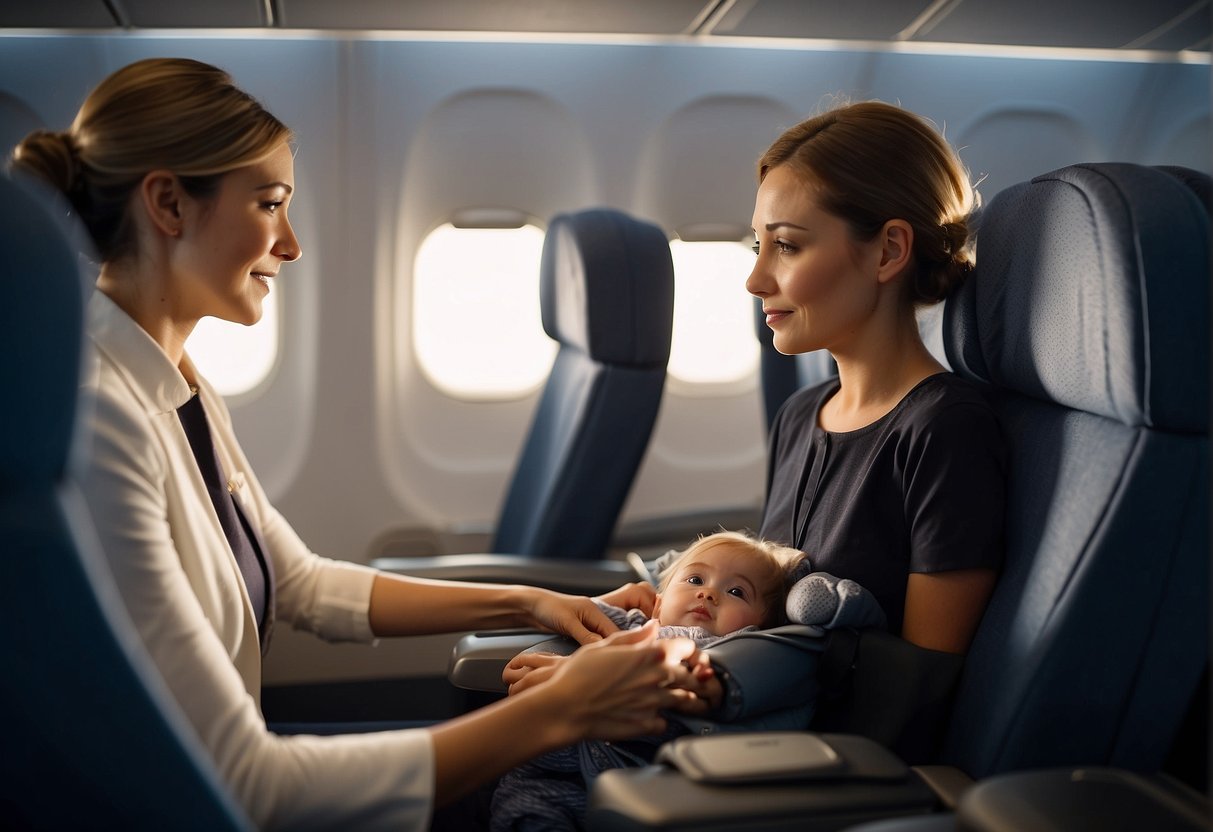
Embarking on a career as a flight nanny offers a unique opportunity to combine a love of travel with the rewarding experience of caring for animals. As a flight nanny, you’ll be responsible for escorting pets during flights to their new homes or to events, ensuring their comfort and safety. This role involves more than just being an animal lover; to be successful, you must understand the nuances of air travel with pets, from navigating airport procedures to managing the needs of different animal types in the unique environment of an airplane cabin. To find out more about what being a flight nanny entails, check out our detailed overview on air nanny.

To prepare for a trip, a flight nanny needs to be thoroughly versed in the specific requirements of the job. This includes understanding airline regulations regarding pet travel, acquiring the necessary travel containers and comfort items for the pet, and maintaining contact with both the pet’s original owners and their new guardians. Ensuring that the pet is at ease throughout the journey requires careful planning and a calm demeanor. From the moment of departure to the arrival at the destination, the pet’s welfare is the flight nanny’s priority, including managing feeding schedules, handling comfort breaks, and providing reassurance during the flight.
Key Takeaways
- A flight nanny’s primary role is to ensure pet safety and comfort during air travel.
- Preparing for a flight nanny trip requires understanding airline pet policies and individual animal needs.
- Successful flight nannies combine animal care expertise with comprehensive travel planning.
Understanding the Role of a Flight Nanny
As a flight nanny, your primary focus is to ensure the safe and comfortable transport of pets by air. Your role is vital to alleviating the stress both pets and their owners may feel about their separation.
Core Responsibilities
- Transport: You pick up the pet from an arranged location and accompany them to their destination.
- Care: Throughout the journey, you are responsible for the pet’s well-being, which includes feeding, hygiene, and providing comfort.
- Communication: You update both the sending and receiving parties about the pet’s status and any incidents during the trip.
Required Skills and Qualities
- Animal Lover: A genuine affection for animals is essential, as it enables you to connect with and soothe the pets in your care.
- Patience: Travel can be unpredictable; patience is crucial when dealing with delays or other unexpected changes.
- Knowledge: You need to understand animal behavior, as well as airline policies regarding pet transport.
- Responsibility: Being a flight nanny means taking on the responsibility for the pet’s safety and comfort during the entire process.
Preparing for a Flight Nanny Trip

As a flight nanny, ensuring a comfortable journey for pets is as crucial as a passenger’s safety during a flight. Detailed preparation is key to meeting the unique needs of your furry clients.
Health and Safety Requirements
Prioritizing the health and safety of the pets under your care is essential. Always have a current health certificate for each pet, which is typically valid within ten days of travel. Check with airlines for specific health and safety regulations to ensure compliance. Carry a kit with basic first-aid supplies and any medication the pet may require. Hydration is vital; thus, include a spill-proof water bowl to keep pets hydrated during the trip.
Documentation and Certifications
Handling documentation is a critical component of your role. Ensure you have all necessary pet travel documents, such as proof of vaccinations, pet passports, and travel labels for the pet carrier. Stay informed and certified in pet first-aid and CPR—having these certifications demonstrates your commitment and capability to the pet’s owner.
Packing Essentials for Pets

Packing for the pet’s comfort and security during the journey is important. Make sure you have:
- Food: Pack enough for the journey plus a little extra.
- Water: For keeping the pet hydrated.
- Toys: Familiar toys can help keep the pet calm.
- Blanket or bed: For warmth and security.
For safe and stress-free pet shipping services across the USA, services like CitizenShipper can be considered.
Remember, each pet is unique, so tailor your preparations accordingly to ensure a safe and pleasant flight for all.
Flight Nanny Services and Operations
Flight nanny services provide a unique solution for transporting pets by air, ensuring that your furry friend arrives safely and comfortably at their destination. This section breaks down the booking process, service coverage and rates, as well as communication protocols and airport procedures related to flight nanny services.
Booking a Flight Nanny
To book a flight nanny, research reputable services that resonate with your travel requirements. You’ll need to provide the flight nanny with specific details about the pet, including breed and size, and any special care instructions. Once you’ve selected a flight nanny service, confirm availability for your desired travel date and destination.
Service Coverage and Rates
Rates vary depending on the destination and the specific service package selected. A standard rate might cover the flight cost for the nanny and the pet, while additional services such as in-flight care or ground transportation may incur extra charges. It’s important to clarify what the base rate includes and to inquire about any potential additional fees.
Communication and Updates
Throughout the pet’s journey, the flight nannies will provide regular updates. Expect to receive real-time communication, which may include pictures or messages, detailing your pet’s experience. Some services even offer GPS tracking for additional peace of mind.
Airport Procedures
When it comes to airport operations, flight nannies are well-versed in navigating security checkpoints and adhering to TSA guidelines. Many flight nannies are also equipped with TSA Pre-Check to expedite the process. You’ll be briefed on the procedures for pet drop-off and pick-up, ensuring a smooth handover before and after the flight.

For individuals enthusiastic about combining a love for animals with travel, considering becoming a flight nanny could be an intriguing opportunity to care for pets on flights.
Navigating Air Travel Logistics with Pets
When stepping into the role of a flight nanny, it’s crucial to understand airline policies and pet fees, prepare for in-cabin travel requirements, and strategize for layovers and transfers. Each airline has distinct regulations and fees, and how you manage these will impact the safety and comfort of the pets under your care.
Airline Policies and Pet Fees
Each airline has specific regulations regarding pet travel, and fees can vary significantly. Before booking a flight, confirm the pet policy with the carrier. Some key points to check include:
- Maximum size and weight restrictions for pets traveling in-cabin.
- Requirement for health certificates and proof of vaccinations.
- Pet fee structure: Determine if the fees are charged per flight or per segment in cases of layovers.
A strategic approach to minimize costs and ensure compliance includes:
- Creating a comparison table of different airline fees and regulations.
- Noting down exceptions for service animals if applicable.
In-Cabin Flight Considerations
When traveling in-cabin with pets, you must ensure their comfort and safety while following airline guidelines. Key factors include:
- Carrier size: Airlines typically have size requirements for under-seat carriers, so ensure yours comply.
- Pet behavior: Pets should be calm and not disruptive during the flight.
In some cases, you may need to:
- Acclimate pets to their carrier in advance.
- Have a pet relief kit ready for long flights.
Layovers and Transfers
Layovers and transfers add complexity, but with proper planning, they can be navigated smoothly. Remember that:
- During layovers, pets may need to be taken out of their carriers and possibly even outside of the terminal for a break.
- Short layovers may not allow sufficient time for pet relief or feeding, so plan accordingly.
To minimize stress, you should:
- Opt for direct flights when possible or ensure ample time between connecting flights.
- Identify pet relief areas in the terminals ahead of time to help plan your layover activities.
Ensuring Pet Comfort and Safety During Flight


In your role as a flight nanny, your priority is delivering pets to their destinations with the highest standards of comfort and safety.
Creating a Calm Environment
To ensure a relaxing experience for pets, you should:
- Provide soft blankets and favorite toys to create a familiar setting.
- Maintain a quiet and calm demeanor, as pets often mirror your emotional state.
Addressing Pet Anxiety
When pets exhibit signs of anxiety, take immediate steps such as:
- Distracting them with gentle play or treats.
- Employing soothing techniques like petting or speaking in a low, comforting voice.
Monitoring Health and Well-being
Throughout the journey, you should:
- Keep a close watch on each pet’s behavior and physical state.
- Be prepared to intervene if there are signs of distress or health concerns, having a first-aid kit easily accessible and knowing the signs of common in-flight pet health issues.
Post-Flight Procedures

After the flight, your role as a flight nanny involves ensuring the safe delivery of the pet to its new home and providing the owner with essential post-travel pet care tips. Your guidance will help pets adjust seamlessly to their new environment and ensure their well-being.
Safe Delivery to New Home
Upon arrival at the destination, your first task is the successful handover of the pet to its owners or family.
- Confirm the identity of the recipient against the information provided.
- Ensure that the pet is calm and secure before the handover.
- Document the condition of the pet and any items that came with them.
- Provide the recipient with any travel documentation related to the pet.
Post-Travel Pet Care Tips
After the delivery, advise the new owners on how to care for their pet post-travel.
- Explain the importance of hydration and offering the pet fresh water.
- Discuss any feeding schedules that may have shifted due to time zone changes.
- Suggest a quiet space where the pet can rest and recover from the journey.
- Address any behavioral changes the pet may exhibit as it acclimates.
Your expertise and advice will be invaluable to the family as they welcome their new member.
Building a Career as a Professional Flight Nanny
Embarking on a career as a professional flight nanny requires dedication, a strong network, effective marketing, and an understanding of both the challenges and rewards involved.
Networking with Breeders and Pet Owners
Your success in the niche field of pet transportation relies heavily on your connections with breeders and pet owners. These are your primary clients who will trust you to transport pets safely. To grow your network:
- Attend pet-related events to meet breeders.
- Join online forums and groups that cater to pet transportation.
- Offer exceptional service to secure referrals.
- Make sure to keep in touch with past clients, providing updates and check-ins about the pets you’ve transported.
Marketing Your Flight Nanny Services
Marketing is key to a thriving flight nanny career. To market yourself effectively:
- Develop a professional website showcasing your services and testimonials.
- Utilize social media platforms to reach a broader audience. Regular posts can help establish your brand.
- Highlight any certifications you’ve obtained, as they add to your credibility.
- Emphasize your expertise in pet care and travel logistics in all your communications.
Challenges and Rewards
As a professional flight nanny, you’ll face various challenges such as managing travel logistics and ensuring the welfare of the pets in transit. However, the rewards can be significant:
- Benefits: Satisfaction from reuniting pets with families and enabling safe transportation for animals.
- Career Satisfaction: Each successful transport can lead to new opportunities through word-of-mouth.
- Be prepared to manage unexpected travel changes and cater to specific pet needs during flights, which demands flexibility and resourcefulness.
Additional Considerations and Tips
In pursuing a career as a flight nanny, attention to detail and informed decision-making will set you apart. Keep in mind specific breeds’ compatibility with air travel, be vigilant against potential scams, set fair rates that reflect your value, and amass credible references to build trust with potential clients.

Selecting Suitable Breeds for Air Travel
When considering paws on a plane, some breeds are better candidates for air travel than others. Breeds with “smushed” faces (brachycephalic), such as pugs or bulldogs, can have respiratory issues at high altitudes and may require special care. Your primary concern should be the pet’s health and safety.
- Good candidates: Small to medium-sized breeds, sturdy in health
- Special needs breeds: Brachycephalic dogs, very large dogs, pets with medical conditions
Avoiding Common Scams
Scammers may try to exploit aspiring flight nannies, so it’s essential to be cautious. Secure jobs through reputable sources and be wary of deals that seem too good to be true. Never provide personal or financial information upfront without verifying the legitimacy of the client.
- Red flags: Requests for personal information, payment before services, unclear job details
- Verification: Use a trusted platform, check for client reviews, insist on clear agreements
Setting Competitive Rates
As a pet flight nanny, you want to set rates that are both competitive and reflective of the quality service you provide. Your flight nanny fee may vary based on distance, the particular needs of the pet, travel expenses, and the level of competition in your area.
- Fee considerations: Travel distance, pet needs, your experience
- Example fee structure:
- Short Trip: $150 – $300
- Long Trip: $300 – $600
- Special Care: Additional charges may apply
Gathering References and Testimonials
To build your reputation, acquire references and testimonials from clients who have had a positive experience with your service. These endorsements can be powerful tools to demonstrate reliability and trustworthiness to new clients.
- How to display: Create a professional profile on a website or social media
- What to include: Positive feedback, successful transports, any particular accolades or acknowledgments
Frequently Asked Questions

In this section, you’ll discover important details if you’re interested in becoming a pet flight nanny or using their services, from requirements and wages to the delivery process.
What are the requirements to become a pet flight nanny?
To become a pet flight nanny, you need a passion for animals and the ability to travel frequently. Most companies require you to be at least 18 years old, have a valid ID, and pass a background check. Experience with pets and customer service is highly beneficial.
What is the typical salary range for a flight nanny?
The salary for a flight nanny varies based on the number of trips and the company you work for. It can range anywhere from $30 to $100 per hour, often depending on experience, the complexity of the care required, and the destination.
How does one obtain USDA certification as a flight nanny?
To obtain USDA certification as a flight nanny, you have to apply through the USDA Animal and Plant Health Inspection Service (APHIS). The process includes an application, adherence to animal welfare regulations, and potentially an inspection.
What factors determine the cost of hiring a pet flight nanny?
The cost of hiring a pet flight nanny is influenced by the destination distance, the type, and size of the pet, the time of year, and additional services required during transit, such as feeding or administering medications.
Are there any standard tipping guidelines for pet flight nannies?
Tipping a pet flight nanny isn’t mandatory but is appreciated for excellent service. A standard tip is often 10-20% of the service fee, similar to other service industry roles, reflecting your satisfaction with the care provided.
What do I need to know about the process of flying with puppies as a nanny?
When flying with puppies, you need to ensure they’re comfortable and safe throughout the journey. This includes managing their feeding schedule, taking care of their needs during layovers, and keeping them calm and secure during the flight. You must also comply with airline pet policies and any required pet health certificates or documentation.

Guiding SEO strategies for nationwide pet transportation services. With a wealth of experience in marketing, committed to showcasing safe and reliable pet transport options across the USA.