
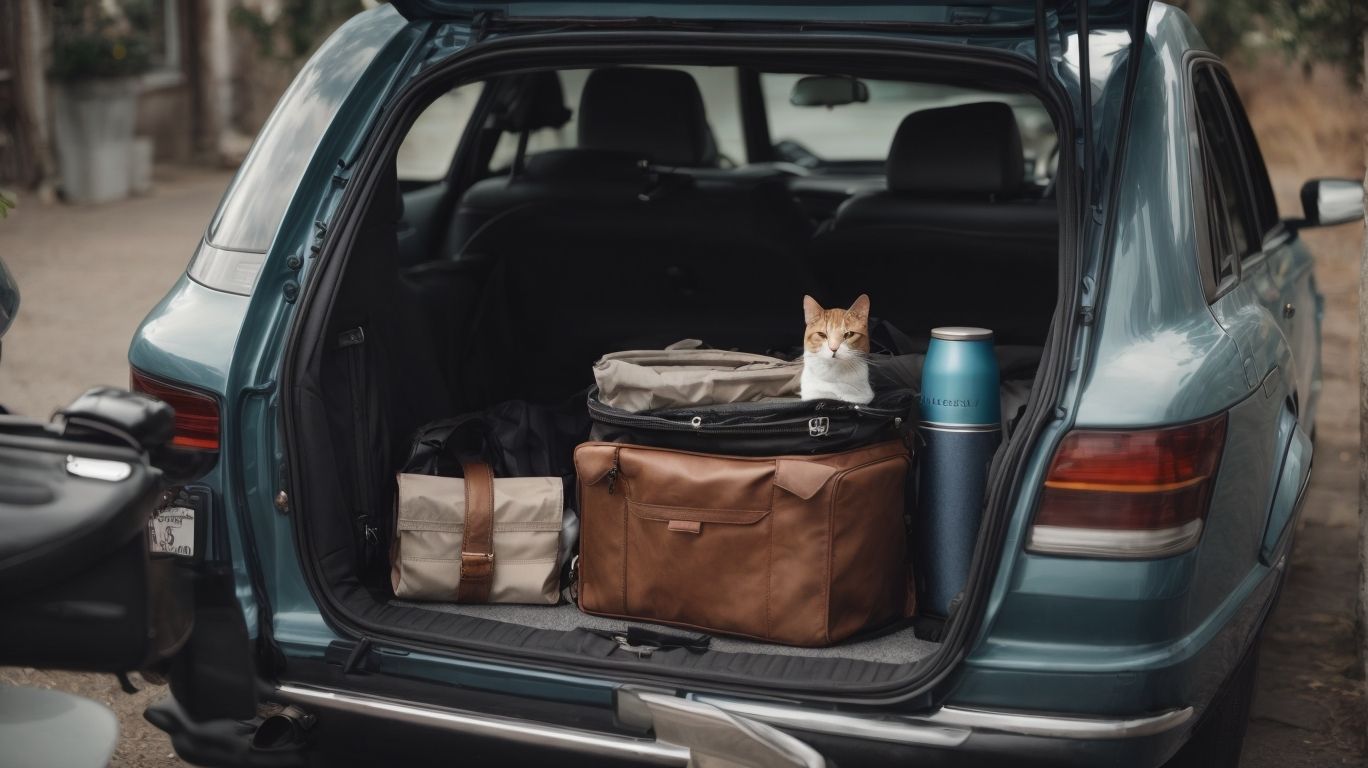

Moving across the country can be a challenging experience, especially when you have a furry friend to consider. If you’re planning to relocate and bring your beloved cat along, it’s important to prioritize their safety and well-being throughout the journey. In this comprehensive guide, we’ll explore essential tips and strategies for moving your cat across the country safely. From reducing stress for your cat to choosing between driving or flying, finding pet-friendly accommodations, and consulting with your vet, we’ll cover everything you need to know to ensure a smooth and comfortable transition for your feline companion.
Whether you’re a seasoned traveler or embarking on your first long-distance move, this article will provide valuable insights to help you navigate the process with confidence and care. So, let’s dive into the essential steps to prioritize your cat’s comfort and security during this significant journey.
Key Takeaways:
How to Move Your Cat Across Country Safely
When preparing to move your cat across the country, it is essential to consider various factors to ensure a safe and stress-free experience for your pet.
Traveling with cats can be a daunting experience for both the pet owner and the feline companion. To minimize the stress and anxiety of the journey, it’s crucial to make thorough preparations well in advance. Veterinary care plays a pivotal role in this process. Before embarking on the trip, schedule a visit to the veterinarian to ensure your cat is in good health and obtain any necessary vaccinations or medications for the journey.
If you’re considering shipping your pet via a comfortable and reliable service, look into CitizenShipper’s pet transportation options, where the well-being of your furry friend is always a top priority.
Familiarize your cat with the travel carrier or crate gradually, allowing them to associate it with comfort and safety. Introducing your cat to the carrier in the weeks leading up to the move can help alleviate their unease during the actual travel.
Reducing Stress for Your Cat
Reducing stress for your cat during a cross-country move requires careful planning and proactive measures to create a calm and comfortable environment for your feline companion.
Choosing Between Driving or Flying

When moving your cat across the country, the decision to drive or fly involves considering various transportation options, airline policies, and cabin arrangements to ensure a safe and comfortable journey for your pet.
Driving with your cat can offer more control over the journey, allowing for frequent rest stops, and minimizing the stress of airports and security checks. It requires careful planning for comfortable pet-friendly accommodations, ensuring adequate breaks for your cat to stretch and use the litter box.
Flying with your cat may be faster, but it involves adhering to specific airline regulations, choosing a suitable pet carrier that meets airline requirements, and securing pet reservation for the flight. Understanding the cabin accommodation policies, pet storage options, and potential in-cabin or cargo travel for your feline companion is crucial for a smooth travel experience.
Finding Pet-Friendly Accommodations
Securing pet-friendly accommodations along your cross-country route is essential for providing a comfortable and welcoming environment for your cat during the journey.
When looking for pet-friendly hotels, it’s important to consider factors such as proximity to rest stops, pet-friendly attractions, and pet relief areas. Many hotels offer amenities such as pet beds, food bowls, and even pet-sitting services. Some accommodations also have designated pet-friendly rooms or floors to minimize disturbances for other guests.
It’s recommended to book in advance and communicate your pet’s needs to the hotel staff to ensure a smooth and enjoyable stay for both you and your feline friend.
Consulting with Your Vet and Finding a New One
Before embarking on a cross-country move with your cat, consulting with your current vet and finding a new veterinary practice in your destination area are crucial steps to ensure comprehensive care and emergency preparedness for your pet.
During the consultation with your current vet, discuss your cat’s medical history, any ongoing health concerns, and vaccination updates . Your vet can provide valuable advice on managing the stress of relocation, prescribing any necessary medications, and recommending preventive measures for the journey.

Once you’ve arrived at your new location, promptly establish a relationship with a local veterinarian . Regular health inspections, such as annual check-ups and dental care, should not be interrupted, so familiarize yourself with the nearest veterinary practices and their emergency procedures.
Research the emergency veterinary services available in your new area. Knowing where to seek urgent care in case of illness or injury is essential for your cat’s well-being. Keep a copy of your pet’s medical records and identification on hand, and be prepared for unforeseen health-related situations that may arise during the move or after settling in.
Microchipping Your Cat for Safety
Microchipping your cat before the cross-country move is a fundamental safety measure to ensure proper identification and prompt reunification in case of separation or unforeseen circumstances during the journey.
It is important to note that cats can easily become disoriented or separated from their owners during long-distance travel, and having them microchipped provides a reliable means of identification if they go missing.
When a cat is microchipped, a small RFID chip is implanted just beneath the skin, typically between the shoulder blades. This process is relatively quick and painless, similar to a routine vaccination, and is often done during a regular vet visit.
One of the key benefits of microchipping is the permanent identification it provides. Unlike collars and tags, which can be lost or removed, a microchip is a secure and tamper-proof way to link a cat to its owner’s contact information.
During a cross-country move, the possibility of encountering unfamiliar environments and potential sources of stress increases the risk of a cat wandering off. If your cat is found by a shelter, veterinarian, or Good Samaritan, having a microchip greatly increases the chances of being reunited with your beloved pet.
Selecting a Comfortable Carrier
Selecting a comfortable and secure carrier for your cat is a crucial step in ensuring their safety, well-being, and comfort throughout the cross-country journey.

When considering a carrier, it’s important to look for one constructed from durable, easy-to-clean materials. Adequate ventilation is essential to ensure your feline friend stays comfortable during the trip. Some carriers come with safety features such as secure locking mechanisms and escape-proof designs.
Conducting Test Drives for Familiarization
Conducting test drives with your cat before the cross-country journey helps acclimate the pet to the experience, reduces anxiety, and fosters a sense of reassurance and familiarity for the upcoming travel.
By taking cats on short drives in their carriers, they become accustomed to the motion and sounds of the vehicle, making them less prone to distress during the actual trip. This also allows you to identify any potential sources of stress for your feline companion, and address them before the journey, ensuring a smoother travel experience.
Packing a Cat-Ready Bag
Preparing a cat-ready bag with essential supplies, comfort items, and familiar belongings is essential for ensuring that your pet’s needs are met and their well-being is maintained throughout the cross-country move.
First and foremost, it’s crucial to pack enough food and water for the journey. Bring along a sufficient quantity of your cat’s regular food, as well as portable bowls or dispensers.
Ensure that your cat’s comfort items are included, such as their favorite blanket, toys, and a familiar bed or cushion. It’s also important to pack necessary healthcare essentials including any medications, grooming supplies, and a first-aid kit tailored to your cat’s specific needs.
Remaining Calm Throughout the Move
Maintaining a calm and composed demeanor during the cross-country move is essential for projecting a sense of reassurance and stability to your cat, contributing to a stress-free and harmonious travel experience for the pet.
Prioritizing Your Cat’s Comfort
Prioritizing your cat’s comfort during a cross-country move involves creating a stress-free, pet-friendly environment and facilitating a gradual acclimation to the new travel experience.
Frequently Asked Questions
During the process of moving your cat across the country, certain common questions and inquiries may arise, necessitating clear and informative responses to address pet owners’ concerns and uncertainties.
One common question that pet owners often have is related to the best way to transport their feline companions over long distances. Ensuring the safety and comfort of your cat during the journey is paramount, and there are several options available, including traveling by car, air, or train. Each method has its own considerations and requirements, so it’s important to thoroughly research the most suitable mode of transportation for your specific situation.
For those looking for specialized assistance, CitizenShipper provides an excellent pet transport service that offers personalized care for your feline friend’s journey across the country.
Post Navigation
Following the cross-country journey with your cat, the post-navigation phase involves aiding your pet’s adjustment and facilitating a smooth settling process in the new home environment.
One of the crucial elements in helping your cat acclimate to the new surroundings is to establish a designated area within the home where your feline friend can feel secure and comfortable. This may include setting up a cozy bed, familiar toys, and hiding spots to provide a sense of security.
Gradually introduce your cat to different areas of the house, allowing it to explore at its own pace. Maintaining a consistent daily routine for feeding, playtime, and affectionate interactions can reassure your pet amidst the changes.
Patience is key as your cat adapts to the new environment. Encouraging positive associations with the new home, such as through interactive play and rewarding experiences, can contribute to a smoother transition for your furry companion .
You May Also Like
In continuation of your exploration and preparation for moving your cat across the country, you may find additional related content and recommendations to enhance your understanding and planning for this significant pet relocation endeavor.
As you delve deeper into the process of relocating your feline companion, it’s essential to consider the travel requirements and regulations for cats.
Pet travel resources such as reputable pet transport companies, airline pet policies, and veterinary guidance can provide valuable insights into the necessary documentation, health certifications, and travel arrangements. Researching pet-friendly accommodation options and familiarizing yourself with local pet-related services in your new destination can contribute to a smoother transition for your cat.
Frequently Asked Questions
How can I prepare my cat for a long-distance move?
To prepare your cat for a long-distance move, start by getting them used to their travel carrier. Gradually increase the time they spend in it, and take them for short car rides to familiarize them with the movement. You can also consult with your veterinarian for any additional tips or medication for a smooth journey.
What should I pack for my cat during the move?
When moving your cat across country, make sure to pack their food, water, litter, and any necessary medication. Don’t forget to bring their favorite toys and blankets to make them feel more at ease during the journey. It’s also a good idea to pack a first aid kit in case of any emergencies.
How often should I stop during the trip to let my cat out of their carrier?
It’s recommended to stop every 2-3 hours to let your cat out of their carrier for a short break. This will allow them to stretch their legs, use the litter box, and get some fresh air. However, do not let them out of the car unless they are in a secure, enclosed area.
What can I do to keep my cat calm during the journey?
To keep your cat calm during the journey, maintain a calm and positive demeanor yourself. You can also play calming music or use pheromone sprays in the car. Be sure to also provide your cat with their familiar items and try to stick to their usual routine as much as possible.
How can I ensure my cat’s safety while traveling?
To ensure your cat’s safety while traveling, make sure they are always secured in their carrier while in the car. Additionally, keep the car at a comfortable temperature and avoid loud or bumpy roads. It’s also a good idea to have a collar with identification and a microchip in case they were to escape during the journey.
What should I do if my cat gets car sick?
If your cat gets car sick, consult with your veterinarian before the trip for medication or other tips. You can also try to feed them in small portions and avoid feeding them right before the journey. If your cat does get sick in the car, pull over and clean up the carrier and any affected areas immediately.

Guiding SEO strategies for nationwide pet transportation services. With a wealth of experience in marketing, committed to showcasing safe and reliable pet transport options across the USA.