
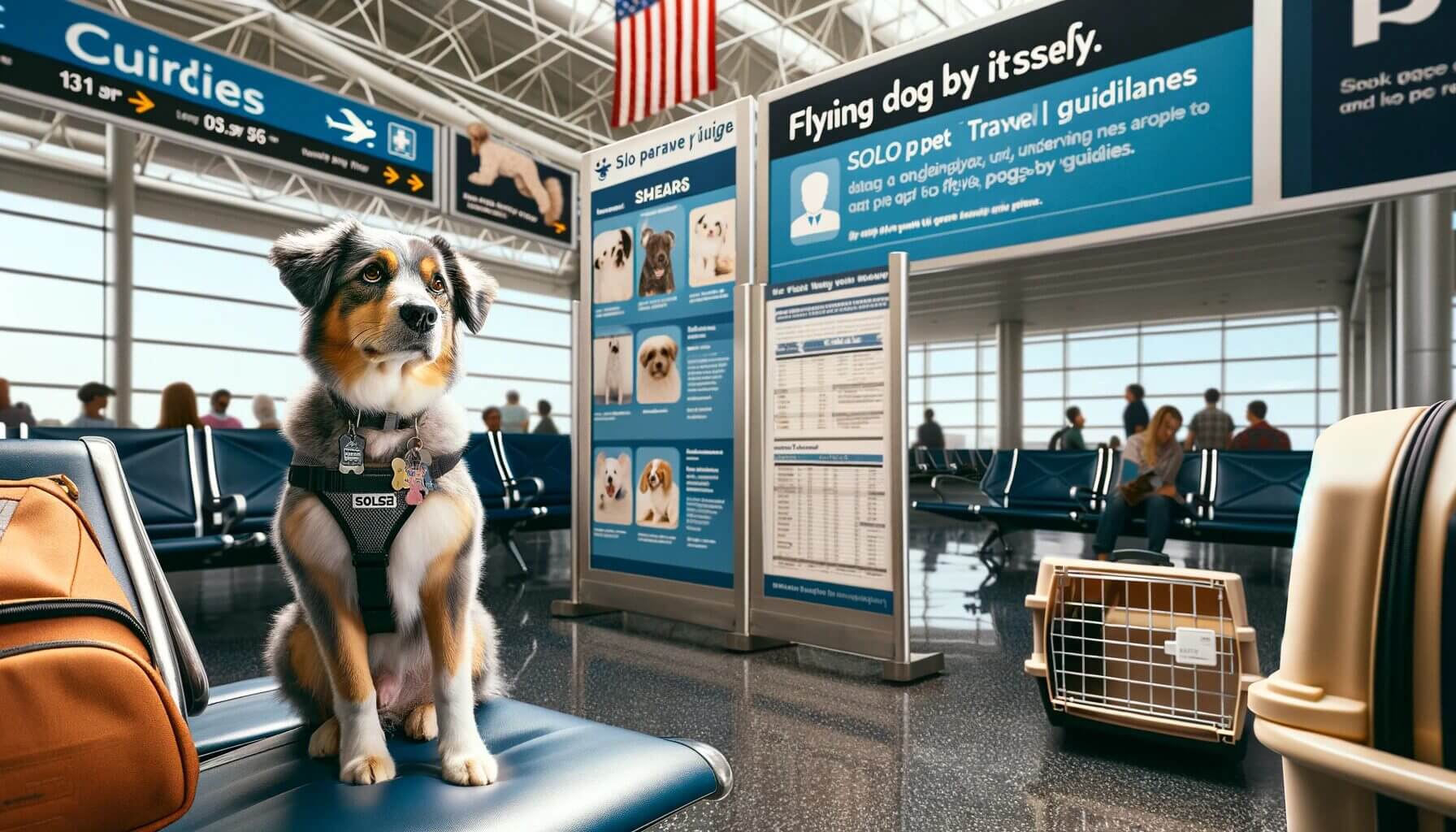
Flying with pets has become increasingly common, and many pet owners are curious about the possibility of flying their dogs alone. Understanding the guidelines and airline policies for flying a dog solo is crucial to ensure a safe and smooth journey for your furry friend.
In this comprehensive guide, we will delve into the important factors to consider when flying a dog alone, including the significance of complying with airline policies, researching airlines that allow pet transportation, the necessary requirements and preparations, the booking process, and ensuring the safety and well-being of your dog during the flight. We will explore additional considerations and precautions to make the journey as comfortable and stress-free as possible for your beloved pet. By the end of this article, you will have a clear understanding of the key guidelines and takeaways, as well as the next steps for initiating the process of flying your dog alone.
Whether you are a first-time pet flyer or looking to gather more information for your next trip, this guide will provide you with valuable insights and resources to ensure a seamless travel experience for your furry companion. Ready to embark on this journey? Let’s get started! And if you’re looking for free pet transport quotes, be sure to check out the link provided.
Key Takeaways:
Understanding the Guidelines and Airline Policies for Flying a Dog Alone
Regarding flying a dog alone, it is essential to understand the guidelines and airline policies that govern pet transportation, ensuring a safe and comfortable journey for your beloved companion.
One of the fundamental aspects of pet air travel is obtaining the required health certificates and ensuring the oversight of a qualified veterinarian. Airlines typically require health certificates issued within a specific timeframe to ensure that pets are in good health before the flight.
Compliance with organizations such as CitizenShipper, USDA, and FAA is crucial for a smooth travel experience. These organizations set standards and regulations to safeguard the well-being of pets during air travel, and adherence to their guidelines is paramount.
Choosing a pet-friendly airline that prioritizes the comfort and safety of pets is equally important. The pet policies and facilities provided by such airlines play a significant role in ensuring a positive experience for your pet during the journey.
What does it mean to fly a dog alone?
Flying a dog alone refers to the process of transporting a pet via air travel without the owner’s accompanying presence, typically involving specific arrangements and considerations to ensure the pet’s safety and comfort throughout the journey.

When flying a dog alone, there are two primary options for transportation: via the cargo hold or in the cabin. Transporting dogs as cargo involves certain logistics and protocols, such as the size and weight restrictions for the crate, as well as the temperature and ventilation regulations to ensure the pet’s well-being. Pet-friendly airlines have dedicated staff and facilities to carefully handle the check-in, loading, and unloading processes for pets in the cargo hold, ensuring their safety and minimizing stress.
Importance of complying with airline policies
Complying with airline policies holds paramount importance when flying a dog alone, as it ensures adherence to legal requirements, safety protocols, and specific regulations governing pet air travel to safeguard the pet’s well-being and protection.
When adhering to airline policies, pet owners must pay close attention to pet carrier specifications, ensuring that the chosen carrier meets the airline’s guidelines concerning size, materials, and ventilation.
Considering extreme weather conditions is essential to the pet’s safety during air travel. Airlines may have restrictions or guidelines in place to protect pets from excessively high or low temperatures, necessitating careful planning and suitable arrangements for the pet’s journey.
The imperative of pet protection throughout the journey cannot be overstated. From pre-flight preparations to in-flight conditions and post-arrival procedures, following airline policies contributes significantly to ensuring the safety, well-being, and comfort of pets during air travel.
Researching Airlines that Allow Pets to Fly Alone
Before flying a dog alone, it is essential to research and identify airlines that permit pet transportation, particularly for dogs traveling without their owners, ensuring alignment with pet-friendly policies and regulations.
Researching the pet-friendly policies of airlines involves examining their rules, requirements, and restrictions related to pet travel. It’s imperative to consider the compliance with airline regulations regarding crate specifications, health documentation, and any additional boarding procedures for pet transport. When traveling with domestic pets, understanding the nuances of each airline’s policies can help navigate through the complexities associated with pet travel.
Reputable organizations like IPATA provide valuable guidance on pet transportation options, helping individuals to make informed decisions about choosing the most suitable airline for their furry friends. By leveraging the resources and expertise offered by such organizations, pet owners can navigate the various considerations associated with pet travel, ensuring the utmost safety and comfort for their pets during air travel.
Overview of airlines allowing pet transportation

An overview of airlines allowing pet transportation provides valuable insights into the available options for flying a dog alone, ensuring informed decisions and suitable arrangements for the pet’s journey.
Transporting pets by air requires careful consideration and adherence to specific airline regulations.
Some airlines, such as American Airlines, Delta, and United, are renowned for their pet-friendly policies and extensive services for traveling with pets. They offer options for both cabin and cargo transport, ensuring the safety and well-being of pets throughout the journey.
To facilitate these processes, reputable organizations such as CitizenShipper and IPATA play crucial roles in guiding pet owners through the necessary steps and documentation required for pet transportation, ensuring a seamless and stress-free experience for both pets and their owners.
Guidelines and restrictions set by different airlines
Understanding the diverse guidelines and restrictions set by different airlines is essential when considering options for flying a dog alone, ensuring alignment with specific pet air travel rules, legal requirements, and veterinary considerations.
Each airline sets its policies regarding pet transportation, including specific guidelines and restrictions. Some airlines require pets to be placed in the cargo hold, while others allow them in the cabin under certain conditions, such as size and weight restrictions. It’s crucial to thoroughly review the regulations of the chosen airline.
Airlines might have varying legal requirements, such as valid health certificates, specific vaccinations, and even breed restrictions.
Requirements and Preparations for Flying a Dog Alone
Before flying a dog alone, fulfilling the necessary requirements and making adequate preparations is crucial to ensure a smooth and secure travel experience for the pet, encompassing health certifications, vaccinations, and considerations for pet ground transport or shipping.

One of the fundamental prerequisites for flying a dog alone involves obtaining a health certificate from a certified veterinarian. This certificate verifies the pet’s overall well-being and compliance with air travel regulations. Ensuring that the dog is up-to-date with vaccinations is imperative, as most airlines require proof of vaccination against common diseases.
When exploring options for pet ground transport or shipping, it’s essential to research reputable and reliable companies that specialize in pet transportation. Some pet owners opt for professional pet shipping services, while others may consider ground transport for a more personalized and less stressful experience for their furry companions.
Necessary documents and certifications
Obtaining necessary documents and certifications, including health certificates, veterinary approvals, and compliance with USDA regulations, plays a pivotal role in facilitating the process of flying a dog alone, ensuring legal adherence and pet welfare.
Before flying a dog alone, it is crucial to acquire a health certificate from a licensed veterinarian, confirming the dog’s good health and fitness for travel. Veterinary approvals ensure that all necessary vaccinations are up to date, protecting not only the pet but also fellow passengers and airline staff.
Compliance with USDA regulations is imperative for international travel, requiring proper documentation and adherence to specific guidelines for the transportation of pets. In law, the Animal Welfare Act and other regulations outline the legal requirements and restrictions for pet air travel, reinforcing the importance of responsible and compliant pet transportation.
Pre-flight preparations for the dog’s comfort and safety
Engaging in pre-flight preparations is essential to ensure the dog’s comfort and safety during the journey, encompassing considerations for tranquilizers, extreme weather, pet protection, and practical necessities to facilitate a stress-free travel experience.
These preparations should include an assessment of the weather conditions anticipated at the destination, providing proper ventilation and temperature control in the travel crate to mitigate the impact of temperature extremes. It is crucial to consult with a veterinarian to ascertain the suitability of tranquilizers and to receive guidance on their safe and judicious use, considering the potential risks and side effects.
Placing familiar items such as a favorite toy, blanket, or clothing with the dog, and ensuring access to fresh water throughout the journey can contribute to their comfort and well-being. Seeking pet-friendly travel options that prioritize pet safety and well-being, and investing in identification tags and microchipping for added security are additional measures that promote peace of mind for pet owners.
Booking Process for Flying a Dog Alone
Understanding the booking procedures for flying a dog alone is crucial to ensure seamless arrangements, encompassing considerations for pet-friendly bookings, potential options for pet ground transport, and the involvement of reputable services such as CitizenShipper.
When booking a flight for your furry friend, it is important to check the airline’s pet policies, including crate requirements, health documentation, and breed restrictions. Some airlines may have limited space for pet travel, so it’s advisable to make reservations well in advance.
For those who prefer not to fly their pets, pet ground transport options are available, allowing pets to travel by land. These services provide comfortable, safe, and reliable transportation, ensuring that pets reach their destination stress-free.
Enter CitizenShipper, a trusted platform offering pet transport services, where you can connect with experienced and vetted transporters who specialize in pet shipping. Their team assists in finding the right transporter, arranging the logistics, and ensuring a smooth process from start to finish.
Understanding the booking procedures
Comprehending the booking procedures for pet air travel ensures efficient and suitable arrangements for flying a dog alone, encompassing considerations for pet-friendly bookings and the availability of pet-friendly drivers to facilitate ground transport.
When booking a pet-friendly flight, it’s crucial to check for airlines that offer specific services for pets, including the provision of comfortable travel arrangements, such as pet-friendly carriers and well-ventilated compartments.
When arranging ground transport, choosing a service with trained and pet-friendly drivers ensures that the journey from the airport to the final destination is stress-free for your pet.
Tips for selecting the most suitable airline for pet transportation
Selecting the most suitable airline for pet transportation involves considering various tips and factors to ensure an optimal and pet-friendly journey, encompassing airline policies, travel options, pet carrier specifications, and considerations for domestic pets.
When evaluating airlines for pet transportation, one of the most important factors to consider is their specific policies regarding pet travel. Some airlines have stringent regulations while others may offer more accommodating options. It’s crucial to review these guidelines in detail to ensure that they align with the needs of your pet and your travel plans.
Exploring the various travel options available, such as cabin travel or cargo transport, is essential to determine the most suitable arrangement for your dog.
The specifications for pet carriers can significantly impact the comfort and safety of your pet during travel. Airlines may have different requirements for carrier dimensions, materials, and ventilation. Ensuring that the chosen carrier meets all necessary criteria is vital.
The pet-friendly amenities provided by airlines, such as designated pet relief areas and onboard facilities, can contribute to a more comfortable and stress-free journey for your furry companion.
Ensuring the Safety and Well-being of the Dog during the Flight
Ensuring the safety and well-being of the dog throughout the flight is a paramount priority when flying a dog alone, involving considerations for airline staff, regulations, pet protection, and adherence to health requirements to guarantee a secure and comfortable journey.
One of the essential measures is to select an airline with a pet-friendly policy and well-trained staff to handle pet travel. The airline staff should be knowledgeable about pet transportation protocols and be able to provide guidance and support throughout the process. Additionally, strict adherence to airline and aviation regulations, including pet carrier specifications and travel document requirements, is vital to ensure the smooth and safe passage of the dog.
Furthermore, implementing pet protection protocols involves securing a sturdy and comfortable travel crate or carrier, ensuring proper ventilation and labeling, as well as providing familiar items, such as blankets and toys, to alleviate stress and anxiety for the dog during the flight.
Measures to ensure the dog’s safety and comfort during the journey
Implementing measures to ensure the dog’s safety and comfort during the journey involves considerations for veterinary oversight, the utilization of tranquilizers if necessary, preparations for extreme weather, and the implementation of comprehensive pet protection strategies throughout the travel experience.
Veterinary oversight plays a critical role in assessing the dog’s health and fitness for travel, administering any necessary vaccinations, and providing guidance on managing stress and anxiety. The potential use of tranquilizers should be carefully discussed with the veterinarian to address any specific behavioral concerns and ensure the dog’s calmness during the journey.
Preparations for extreme weather conditions entail providing appropriate shelter, ventilation, and hydration to safeguard the dog’s well-being, especially in cases of long-distance travel or exposure to varying climates. Implementing robust pet protection strategies involves securing the dog in a well-ventilated and spacious crate or using safety harnesses to prevent any potential accidents or injuries.
Understanding the role of airline staff and regulations
Understanding the role of airline staff and regulations is crucial in facilitating a smooth and secure travel experience for the dog during air travel, encompassing considerations for health requirements, pet protection, and the logistical aspects of pet shipping if applicable.
Airline staff play a vital role in ensuring that all necessary health documentation and pet protection protocols are met before, during, and after the journey. They are knowledgeable about the specific regulations and restrictions pertaining to pet travel, including the provision of proper pet carriers and adherence to the required pet shipping logistics.
Clear communication with the airline staff regarding the pet’s travel needs and ensuring compliance with relevant regulations can significantly contribute to a well-organized and pet-friendly journey.
Additional Considerations and Precautions for Flying a Dog Alone
Plus essential preparations, various considerations and precautions are necessary when flying a dog alone, encompassing health and wellness factors, pet-friendly accommodations, preparations for extreme weather, pet protection, and potential arrangements for pet shipping.
Ensuring the dog’s health and wellness is crucial, involving a visit to the veterinarian for necessary vaccinations and health checks well in advance of the travel date. Researching and booking pet-friendly accommodations at the destination and during layovers is vital to provide comfort and safety for the dog.
Preparations for extreme weather conditions should include appropriate clothing or protective gear for the dog, especially when traveling to regions with significantly different climates. Pet protection strategies, such as using secure crates and providing identification tags, are essential for the safety of the dog during transit.
Potential arrangements for pet shipping, including selecting reputable airlines with pet-friendly policies and understanding the specific requirements for transporting pets, play a key role in ensuring a secure and stress-free travel experience for the dog.
Health and wellness factors to consider
Considering health and wellness factors is essential when flying a dog alone, encompassing veterinary oversight, vaccinations, pet protection, and accommodations for the specific needs of domestic pets to ensure a comfortable and secure travel experience.
Before embarking on the journey, it’s crucial to consult a veterinarian to assess the dog’s readiness for travel and to obtain any necessary health certificates. Ensuring that the dog’s vaccinations are up-to-date not only complies with air travel regulations but also safeguards the pet’s well-being amidst potential exposure to unfamiliar environments.
Implementing pet protection strategies such as using a secure and well-ventilated carrier, familiarizing the dog with the carrier beforehand, and including comforting items like favorite toys can help alleviate travel-related stress and anxiety.
Potential challenges and how to address them
Anticipating potential challenges and devising effective solutions is vital when flying a dog alone, involving preparations for extreme weather, pet-friendly considerations, pet protection strategies, travel options, and compliance with legal requirements to mitigate risks and ensure a smooth travel experience.
For extreme weather conditions, it’s crucial to pack appropriate pet accessories, such as booties to protect paws from hot surfaces or ice melt. Researching and booking pet-friendly accommodations in advance can prevent last-minute stress.
Utilizing pet protection strategies during travel, like securing a comfortable crate with proper ventilation, ensures the dog’s safety. Exploring various travel options, including airlines with reliable pet transportation services, can offer peace of mind. Fulfilling all legal requirements for pet travel and having necessary documentation ready is essential to avoid any complications during the journey.
Conclusion and Next Steps
Understanding the guidelines and requirements for flying a dog alone is pivotal to ensuring a safe and comfortable journey for the pet, encompassing compliance with legal requirements, USDA regulations, and the initiation of pet transport arrangements.
When flying a dog alone, it is essential to be aware of the specific regulations set forth by airlines regarding pet travel. One must comply with the airline’s policies on crate requirements, necessary documentation, and health certifications. Adhering to USDA guidelines for interstate or international pet transport is crucial in ensuring all necessary vaccinations and health certificates are in place.
To initiate the pet transport process, pet owners should reach out to airlines and pet transport companies to gather information regarding fees, schedules, and travel conditions. It’s recommended to obtain free pet transport quotes from multiple providers to compare and select the best option for the well-being of the pet.
Summary of guidelines and key takeaways
A summary of the guidelines and key takeaways for flying a dog alone provides a concise overview of the essential requirements, legal considerations, and the involvement of reputable services such as CitizenShipper in facilitating pet transport arrangements.
When planning to fly a dog unaccompanied, it’s crucial to adhere to airline regulations, ensure the pet’s health and safety, and comply with legal requirements for domestic or international transportation. CitizenShipper’s comprehensive network of experienced and reliable pet transporters can guide pet owners through the process, offering peace of mind and ensuring that all necessary paperwork, vaccinations, and crate specifications are in place for a smooth journey.
Next steps for initiating the process of flying a dog alone
The next steps for initiating the process of flying a dog alone involve practical considerations such as compliance with legal requirements, arrangements for USDA approvals, and potential options for shipping pets to ensure a seamless and well-prepared travel experience.
First and foremost, it’s essential to check the legal requirements for flying with a pet, including any necessary documentation, permits, and vaccinations.
Once the legal aspects are confirmed, the next step is to obtain USDA approvals, which may involve health certifications and compliance with specific regulations.
When considering shipping options, it’s imperative to choose a reputable and reliable pet transport service that prioritizes the safety and comfort of the dog. This may involve researching different airlines’ pet policies, costs, and specific guidelines for pet travel.
By carefully navigating through these steps, pet owners can ensure a stress-free and organized travel experience for their furry companion.
Resource for free pet transport quotes (CTA)
To facilitate the process of pet transport, a resource for free pet transport quotes offers valuable assistance, enabling access to competitive quotes and arrangements through reputable services such as CitizenShipper.
By utilizing this resource, pet owners can benefit from the convenience of gathering multiple quotes from different pet transport services, allowing them to compare prices and services to make the best choice for their beloved pets. This not only saves valuable time but also ensures that they secure reliable and cost-effective transport arrangements for their furry companions.
Frequently Asked Questions
Can you fly a dog by itself?
Yes, it is possible to fly a dog by itself. However, each airline has its own guidelines and policies for flying pets alone. It is important to research and understand these policies before booking a flight for your dog.
What are the guidelines for flying a dog by itself?
The guidelines for flying a dog by itself vary among different airlines. Some airlines may require a health certificate or specific carrier dimensions for your dog, while others may have restrictions on the breed or age of the dog. It is important to check with the airline and follow their guidelines to ensure a smooth and safe journey for your dog.
Which airlines allow pets to fly alone?
According to our reference article, the following airlines allow pets to fly alone: United Airlines, American Airlines, Delta Airlines, Alaska Airlines, and JetBlue. However, it is important to note that each airline has its own specific guidelines and policies for flying pets alone.
How do I book a flight for my dog to fly alone?
To book a flight for your dog to fly alone, you will need to contact the airline directly. Some airlines may have an option to book a flight for a pet online, while others may require a phone call or in-person booking. Be sure to provide all necessary information about your dog, such as breed, weight, and health status, as well as following the airline’s guidelines for booking.
What is the cost of flying a dog by itself?
The cost of flying a dog by itself varies depending on the airline, route, and size of the dog. Some airlines may charge a flat fee for pet transportation, while others may charge based on the weight of the dog. It is important to research and compare prices among different airlines to find the best option for your budget.
How can I get a free pet transport quote?
To get a free pet transport quote, you can visit the CTA link provided in this article (https://citizenshipper.com/pet-transportation) or contact the airline directly. It is important to provide all necessary information about your dog, such as breed, weight, and travel date, to get an accurate quote.

Guiding SEO strategies for nationwide pet transportation services. With a wealth of experience in marketing, committed to showcasing safe and reliable pet transport options across the USA.